

Moving house, renovating, downsizing or simply running out of space, a storage container can be a convenient way to keep your belongings safe and organised.
But getting the most from your storage space isn’t just about putting everything inside and locking up. Packing a storage container efficiently can make it easier to protect your belongings, maximise the available space and also make it easier to find what you need when you need to access it later.
At Wardle & Keach, we provide flexible container storage for households and trade businesses in Northampton, so we’ve put together these practical tips to help you make the most of your storage container.

1. Make a plan before you start
A few minutes of planning can save you a lot of time and effort later.
Before moving anything into your storage container, think about how you want to use the space. Start by making a list of what you’re storing and identify anything you’re likely to need access to while your belongings are in storage. For example, items you won’t need for several months can go towards the back, while seasonal items, tools or important household belongings can be kept closer to the entrance.PRO TIP: It can also help to sketch out a simple floor plan before you start unloading.A detailed quotation demonstrates that a removals company has taken the time to understand your move and recommend the right level of service.
2. Use sturdy boxes
The right box can make a world of difference.
As an established removals company, we know all too well that using the right boxes can make a big difference when it comes to packing a storage container efficiently.
At Wardle & Keach, we use strong, sustainable and purpose-built boxes for our house moves to ensure your possessions can be packed securely, safely and efficiently from our reputable supplier. Our boxes are made from double-walled 125KT cardboard, providing exceptional strength and durability to keep your possessions protected. Every box is designed to be fully stackable, allowing us to maximise available vehicle space and transport your belongings as efficiently as possible. In our industry, we also use specialist boxes designed for particular items, such as wardrobe boxes for hanging clothes and stronger cartons for fragile belongings.
An important thing to remember is to match the box to what you’re putting inside it. Don’t fill a large box with heavy books, for example, as it can quickly become difficult and unsafe to lift.
Need some quality boxes? Ask a member of our team about placing an order!
3. Dismantle furniture where possible
Large pieces of furniture can quickly use up valuable storage space.
Dismantling larger items can make them easier to move and can also give you more flexibility when arranging your container Where it’s safe and practical, consider dismantling items such as:
- Bed frames
- Tables
- Desks
- Shelving
- Wardrobes
- Garden furniture
Don’t lose your bits! Keep screws, fixings and other small components together in clearly labelled bags and attach them to the relevant piece of furniture. positive feedback across multiple platforms is often a strong indicator of a company’s standards.
4. Make use of the height of your container
Think safety when stacking
When planning how to organise a storage container, don’t just think about the floor. Your container also has vertical space that can be used for suitable items. Stack sturdy boxes carefully, keeping heavier items towards the bottom and lighter items higher up.
However, don’t sacrifice safety simply to squeeze in another box. Unstable stacks can cause damage and make it difficult to retrieve your belongings. The aim is to use the available space efficiently and safely.
5. Leave access to the things you may need
Efficient storage isn’t just about capacity – it’s about accessibility too!
One of the biggest mistakes when packing a storage container is filling it from floor to ceiling without thinking about future access. You may be able to fit more belongings in initially, but retrieving something from the back could become a major job. Where possible, arrange your belongings so that frequently accessed items are easy to reach.
6. Protect furniture and fragile items
Taking care when packing your belongings can help prevent avoidable damage while they’re being stored.
Consider using suitable protective materials for:
- Sofas and upholstered furniture
- Mirrors
- Pictures and frames
- Glassware
- Electrical equipment
- Other fragile possessions
Wrap delicate items individually where appropriate and avoid placing heavy objects on top of fragile boxes. Furniture covers can also provide an additional layer of protection for upholstered items.
If you’re unsure how best to prepare a particular item for storage, please ask our team. We have over 100 years of specialist packing experience and the safe handling and transport of goods.
7. Label your boxes
And make it specific!
Once your boxes are packed, label them clearly on more than one sideso you can identify them even when they’re stacked. Rather than simply writing “Kitchen”, be more specific:
Kitchen – pans & baking equipment
Bedroom – winter clothes
Office – files & stationery
This will be really helpful for when you want to find things later. Using consistent, professional-sized removal boxes alongside clear labelling makes it much easier to create a neat, stable and accessible storage container.
Also, don’t forget about your “fragile” items. Clearly label them and maybe add “TOP BOX’ so you know where they need to go when it comes to unloading into your container.
8. Think about your loading order
A considered approach to filling your container
How you load your container can make a surprising difference to how much you can fit inside it. As a removals company, we plan the loading order carefully rather than simply putting items in wherever there happens to be space.
Start with larger, heavier and more stable items, such as furniture and robust boxes. These can form the foundation of your load. Lighter and more delicate items can then be positioned above or around them where appropriate.
Think about the shape of each item too. For example, dismantled furniture can often be positioned along the sides of the container, while boxes can be stacked together in stable rows. Also try to keep similar types of belongings together rather than filling every gap as you go. This will give you a more organised load and make it easier to work out where everything is later.
9. Keep an inventory of your belongings
Don’t rely on your memory alone.
After a few months in storage, you may not remember exactly where everything is. Numbering your boxes and creating a basic inventory can make life much easier.
For example:
Box 1: Kitchen equipment
Box 2: Books
Box 3: Christmas decorations
Box 4: Bedroom belongings
Box 5: Garden equipment
For larger storage containers, you could also create a basic diagram showing where different groups of belongings are located. Also, use your phone and take lots of pictures for a visual reference.
10. Check what can be stored
Not everything is suitable for container storage
Before bringing your belongings to your storage container, check your provider’s terms and conditions. Certain items may not be suitable for storage, including hazardous, flammable or perishable materials. If you’re unsure whether something can be stored, speak to your storage provider before bringing it to the facility. It’s also worth considering whether particularly valuable or sensitive belongings require additional protection
Make your storage work harder for you
The key to packing a storage container efficiently isn’t simply trying to squeeze in as much as possible. It’s about creating a system that protects your belongings, makes good use of the available space and allows you to find things when you need them.
Plan your layout, use sturdy boxes, label everything, make use of vertical space and keep frequently accessed items towards the front. If you’re looking for self- storage in Northampton, Wardle & Keach offers secure, flexible container storage for both households and businesses.
Our containers have drive-up access, while our storage facilities include 24/7 CCTV, ANPR and gated access. Storage is available on a temporary or longer-term basis, with monthly payments and no fixed-term contracts. We also have trade storage with adjacent micro yard space for expanding businesses.
We have the space for you !
Start storing at Wardle and Keach today
Get in touch with our team to discuss your storage requirements and find the right solution for you.
You can NOW register your interest for a micro yard alongside your container. Ideal for businesses who need to house a skip, a trailer or bulky items.
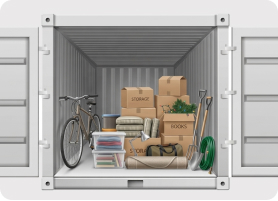
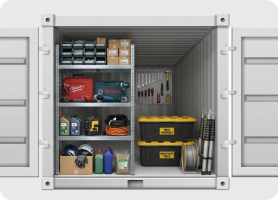
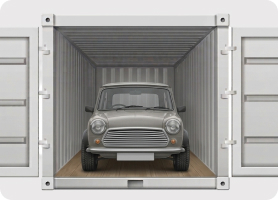
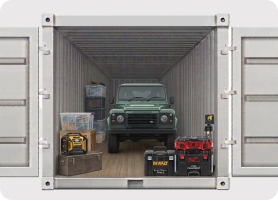
How much can you fit in a container?
Is one of the most common questions we are asked. For this reason, we have created a handy visual guide to give you a better idea